
Wellness & Support

Wellness & Support
When a student needs help,
someone notices.
Care at CCI is personal, discreet and thorough. Because our teachers, residence dons and school staff know students well, changes in mood, energy, health or routine rarely go unseen.
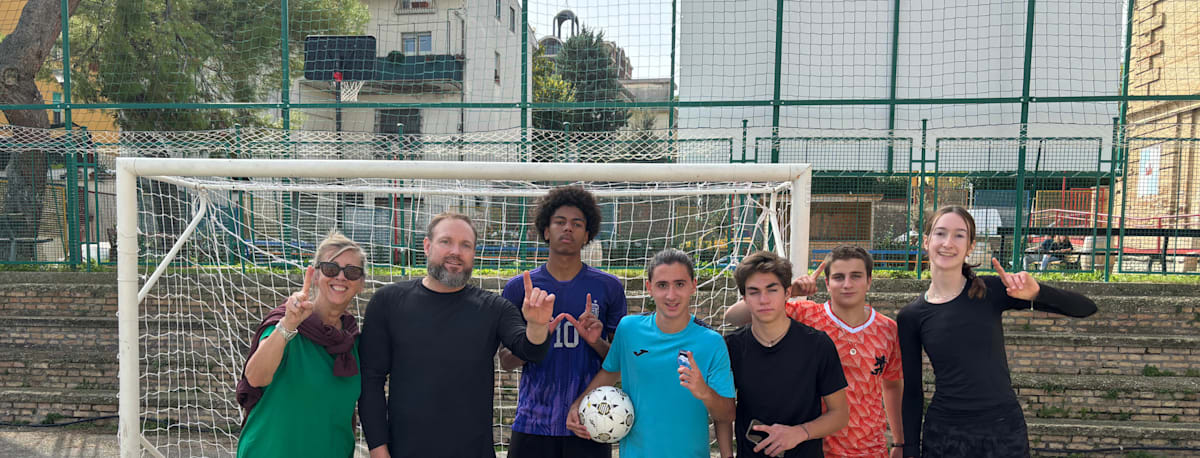
Everyday wellbeing
Support begins before there is a problem.
Boarding-school care happens in ordinary moments: at breakfast, on the walk to class, during lessons, at dinner and back in residence. The adults around a student see the whole day, not just one part of it.
Known personally
Residence dons are usually the first point of contact, but students may speak with any trusted adult. Teachers, office staff and school leaders work together when a student needs support.
Listened to carefully
Sometimes a student needs practical help. Sometimes they need a calm adult who will listen without judgement. Both matter, and both are taken seriously.
Followed up
Support does not end after one conversation or appointment. Staff continue to check in and coordinate with families and professionals when ongoing care is needed.

Homesickness & emotional wellbeing
Homesickness is normal.
Students do not have to hide it.
Living away from home can feel exciting and difficult at the same time, especially during the first days and weeks. Staff recognize that homesickness may look like sadness, irritability, withdrawal, poor sleep, physical complaints or simply not seeming like oneself.
We listen, offer reassurance and help students stay connected to the routines that allow belonging to grow: meals, classes, activities, friendships and time in residence. Families are included when their insight or support would help.
When emotional or psychological support should go beyond the school team, CCI can help arrange an English-speaking psychologist. Parental consent is required for students under 18.
Physical health
When a student is actually sick.
Students should tell a residence don, teacher or member of the school office as soon as they feel unwell. From there, the school coordinates the next steps according to the student’s symptoms and needs.
Tell us early
Staff assess what is happening and determine whether the student needs rest, monitoring, a pharmacy visit, a doctor or emergency care.
Rest and recover
During the school day, students who are too unwell for class may rest in CCI’s quiet, supervised infirmary while office staff monitor how they are doing.
Arrange medical care
When an appointment is needed, CCI arranges it and a staff member accompanies the student for transportation, communication and reassurance.
Keep families informed
Parents are contacted promptly and receive available medical reports, prescriptions, invoices and receipts. Residence staff are briefed on follow-up care.
Care close at hand
Good medical help is nearby.
CCI has strong working relationships with physicians, clinics and pharmacies in and around Lanciano. These local connections help us arrange prompt, caring attention when a student needs to be seen.
Lanciano’s Renzetti Hospital and emergency department are also a short distance from campus, giving the school ready access to hospital care when a situation is urgent or requires further assessment.
A student is not simply sent to an appointment. A member of our residential team always accompanies them and stays involved in the practical details of their care, including translation, transportation and help with prescriptions.

Medication policy
Medication is managed, not left to chance.
Clear information from families allows residence staff to store, administer and document medication safely.
Declared and labelled
All prescription and regularly used medication must be declared before arrival and provided in its original, clearly labelled packaging with written dosage and timing instructions.
Locked and logged
Medication is handed to the appropriate residence staff, secured in the don’s office and administered according to the agreed instructions. Administrations are recorded.
Exceptions arranged
Emergency medication that must remain immediately accessible, such as an inhaler or EpiPen, may require a different arrangement. Families must discuss this with CCI in advance.
Aftercare & accommodations
Care continues after the appointment.
School and residence staff coordinate so that instructions are followed and the student can continue recovering. When illness, injury or a documented need affects the school day, CCI will make reasonable temporary accommodations where possible.
These may include additional rest, meal arrangements, adjustments to participation or movement between buildings, and communication with teachers about missed work or deadlines. Decisions are made individually, with the student’s wellbeing and the school’s ability to provide safe, appropriate support in mind.
Discreet and responsible
Private, but never ignored.
Health and wellbeing information is handled with discretion and shared only with the staff, professionals or authorities who need it to care for the student or meet the school’s legal and safeguarding responsibilities.
Students are encouraged to speak openly with a trusted adult. Staff listen compassionately, document significant concerns and involve school leadership, families or qualified professionals when the situation requires it.
Before arrival
Tell us what we need to know.
Families must provide complete, accurate information about medical history, allergies, dietary requirements, medication and any condition that may affect the student’s health, safety or participation.
- Comprehensive health insurance is required for the full stay in Italy.
- Families remain responsible for medical, pharmacy and hospital expenses.
- CCI provides available documentation and receipts for insurance claims.