
Cultural Program

Cultural Program
Discovering passionswhile discovering Italy.
Living in Italy gives students the chance to learn from traditions that remain part of daily life. Through Sartoria and Cucina, they work alongside professionals, try unfamiliar skills and develop a more thoughtful understanding of the culture around them.

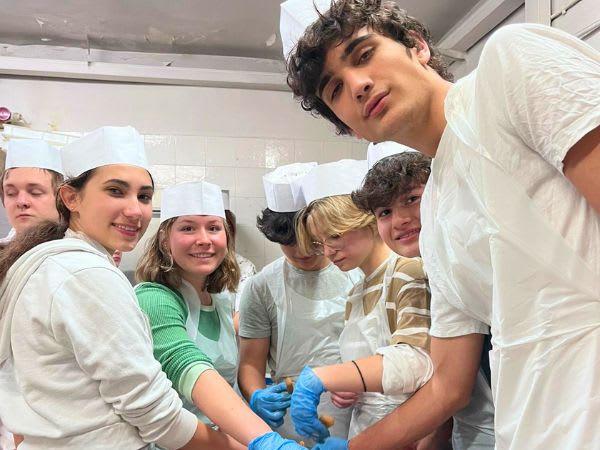
Culture in practice
Two ways of learningfrom everyday life.
Cucina and Sartoria take two familiar subjects, food and clothing, and examine them more carefully. Students learn the vocabulary and techniques behind what they see, then put that knowledge into practice.
The program is practical and open to beginners. Students are not expected to arrive with experience. They are asked to be curious, to take the work seriously and to notice how culture is carried through ordinary choices.
01 Sartoria
Clothing as craftand communication.
In Italy, style is a language. The way a garment is cut, fitted and worn can communicate identity, confidence and an understanding of context.
Sartoria, the Italian art of tailoring, gives students a practical introduction to that language. It is not about following fashion. It is about learning to make thoughtful choices about how they present themselves.
The process
Looking first.Choosing with intention.
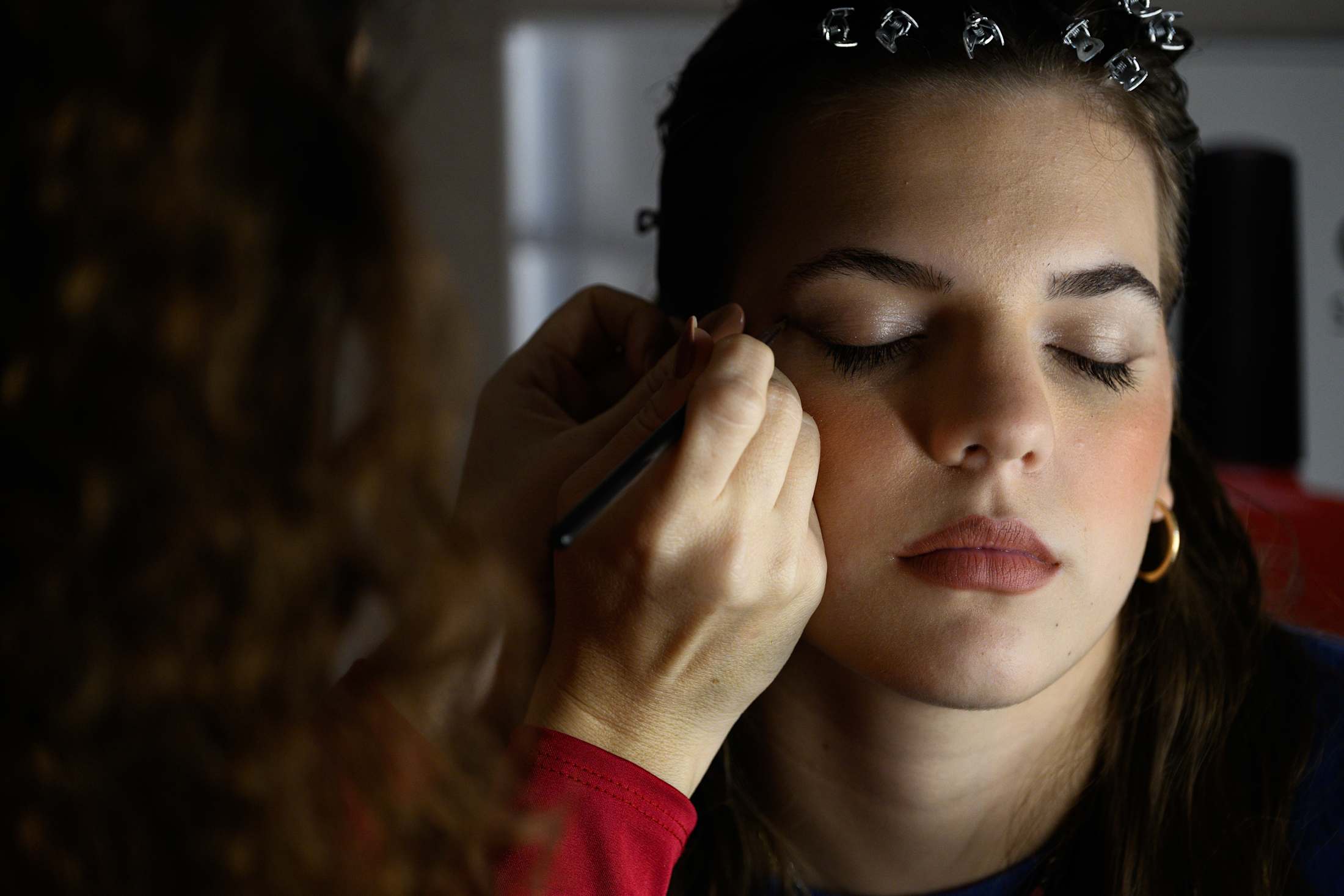
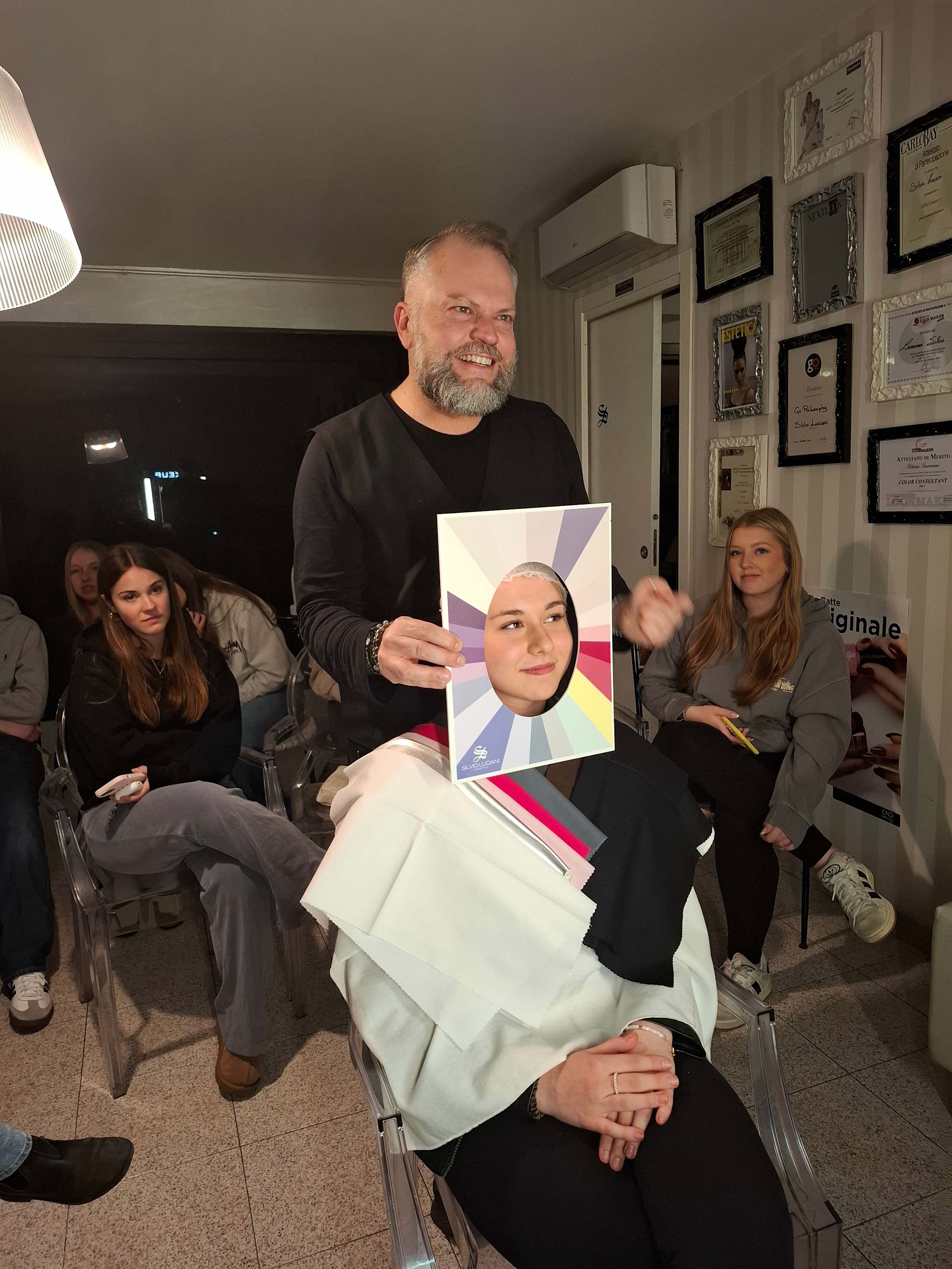
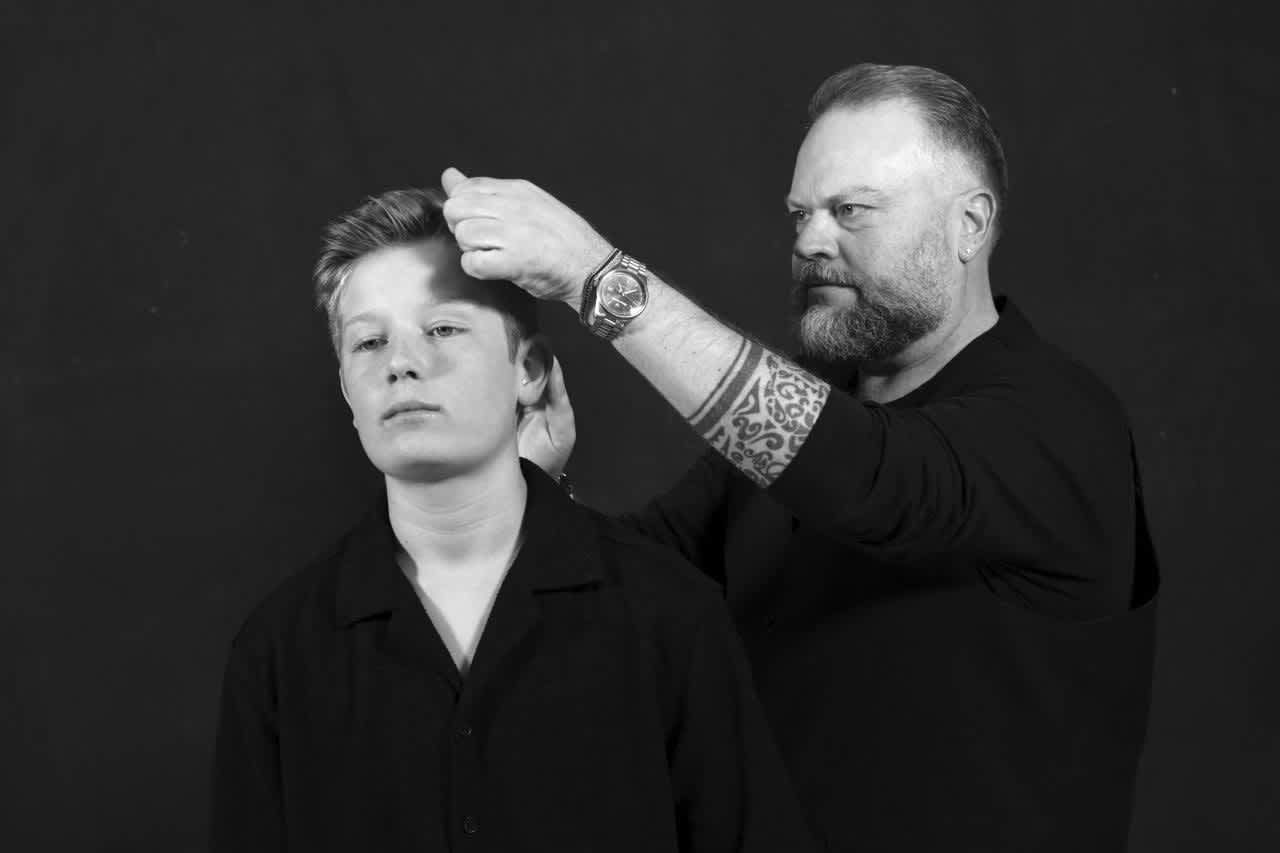
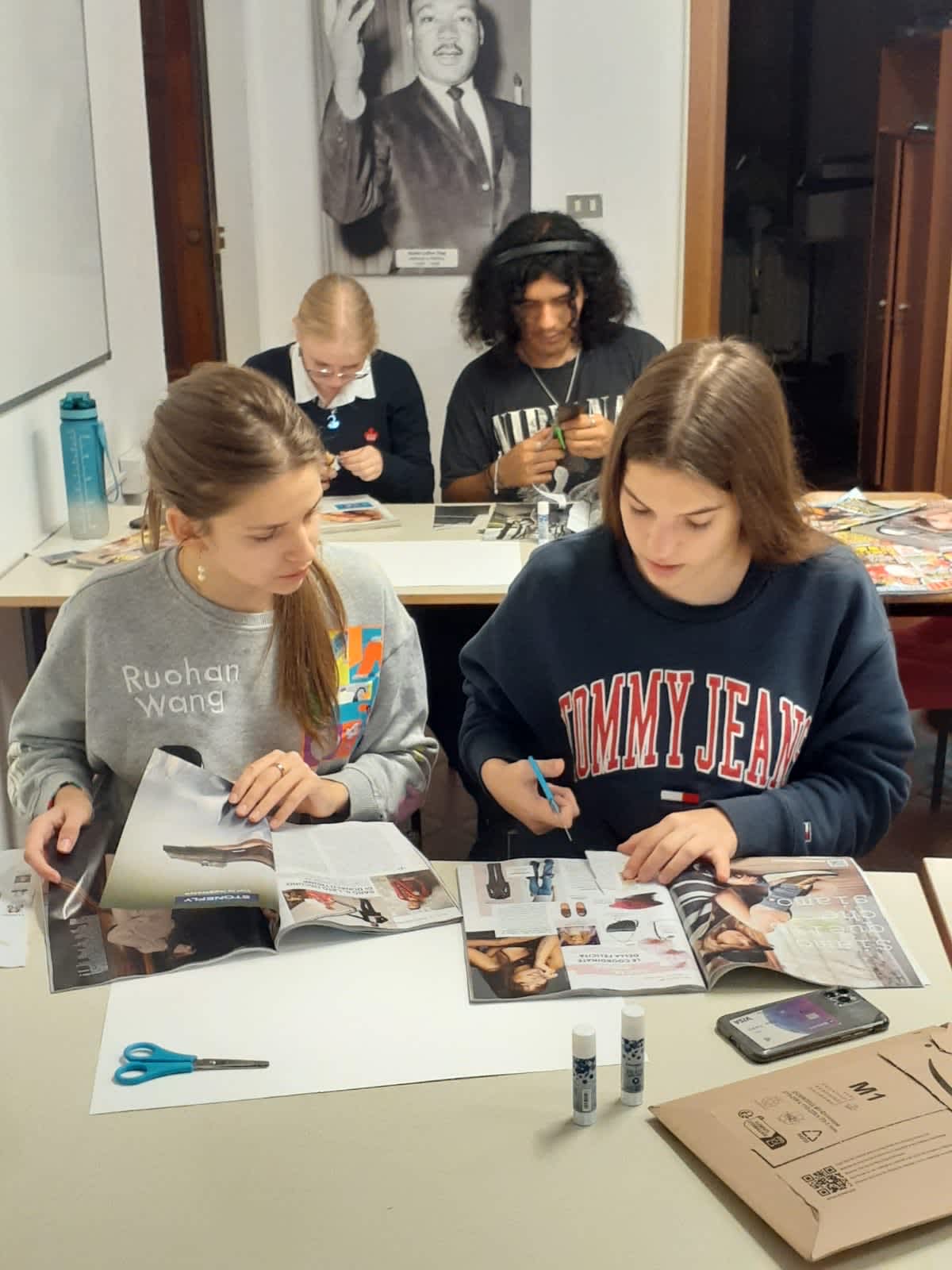
Workshops led by fashion and style professionals introduce fit, proportion, construction and the reading of contemporary trends. Through observation, discussion and research, students begin to understand clothing as visual communication.
Each student then develops a personal concept for a real setting, whether formal, academic or everyday. Some may design a garment and work with local fabric shops and skilled tailors through a series of fittings. Others may follow a guided sourcing process, learning to consider quality, fit, purpose and budget.
Where the opportunity is available, students may also present their work at a local fashion event. The focus throughout remains on craft, judgement and greater self-knowledge.
02 Cucina
Food as culture,memory and practice.
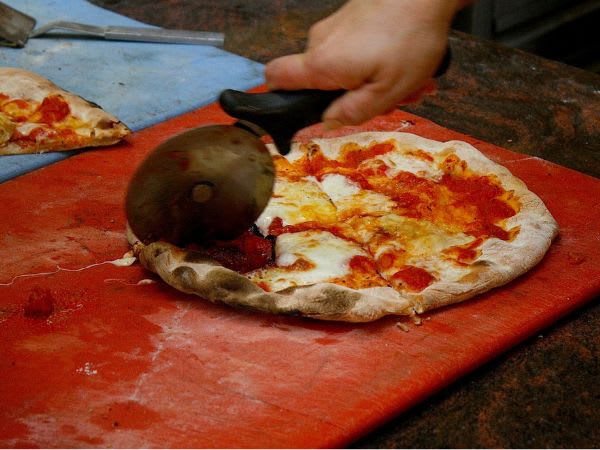
Food in Italy carries geography, history and memory. Cucina, the Italian word for kitchen, asks students to look beyond the finished dish and understand the ingredients, methods and traditions behind it.
It is also an opportunity to become more capable. Students learn practical skills they can use in residence, at home and long after their time at CCI.
The process
From demonstrationto independence.
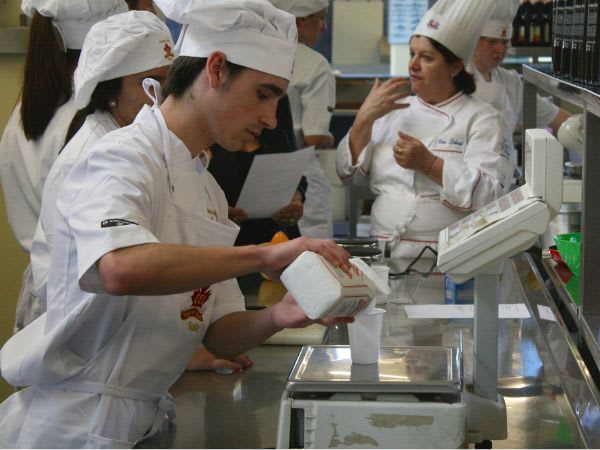
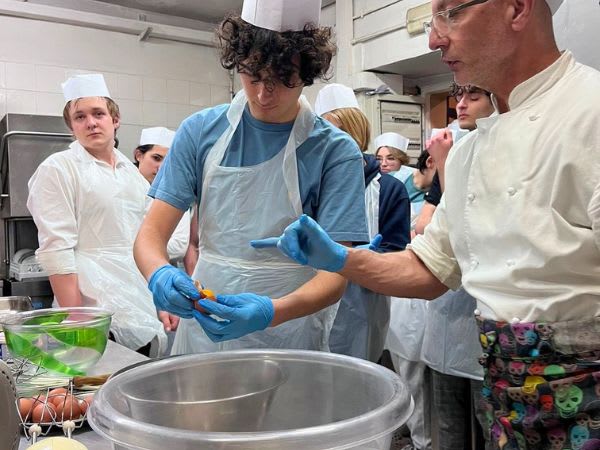
Several times each semester, professional chefs, experienced staff and local artisans introduce essential techniques, culinary vocabulary, kitchen safety and the foundations of traditional Italian cooking.
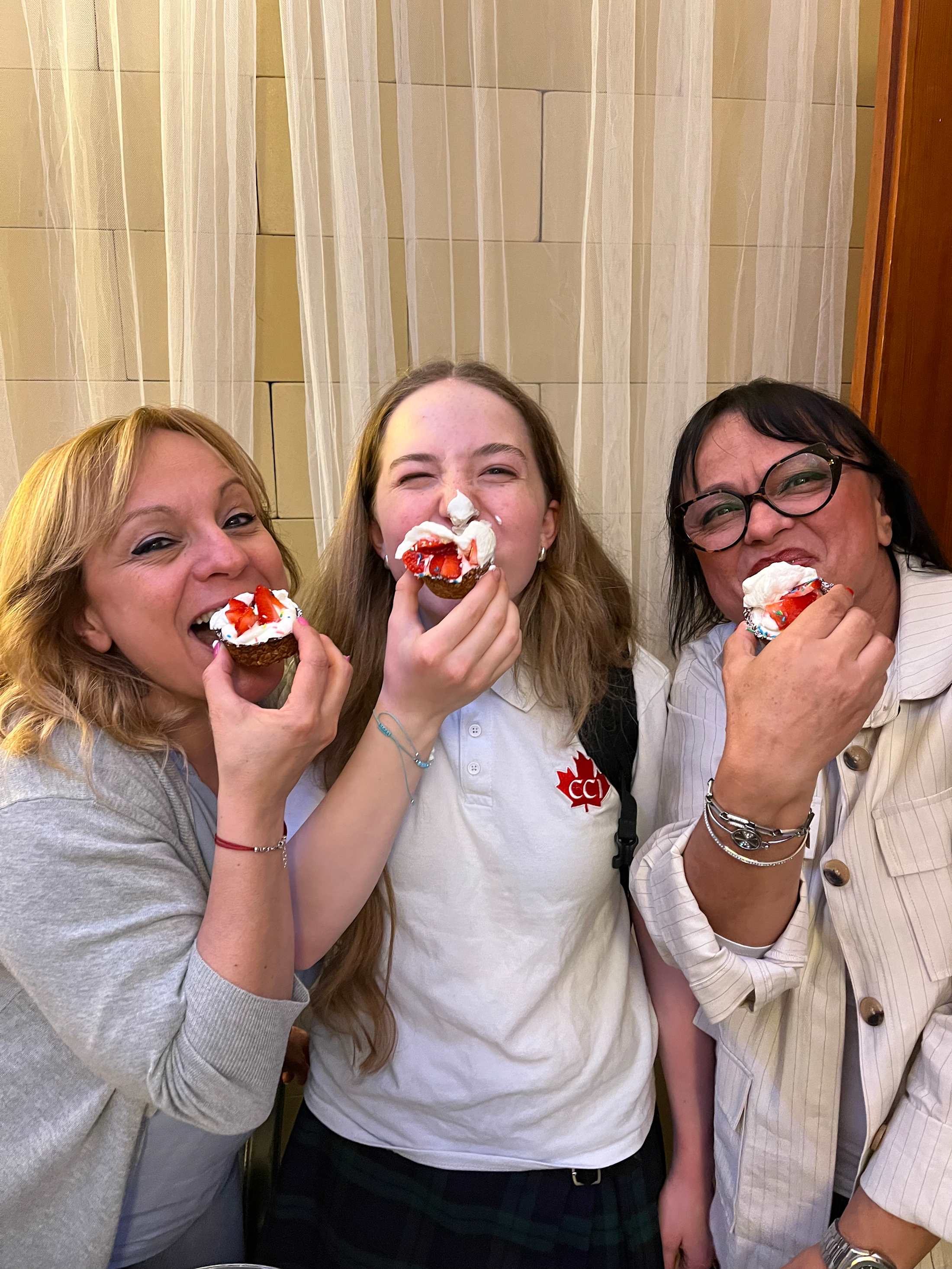
Visits to producers, agriturismi and regional food environments connect the kitchen to the land, the seasons and the people who sustain local traditions. Back in residence, students can repeat what they have learned, cook for themselves and share food with friends.
Nutrition, balance and individual dietary needs are part of the conversation. The aim is a more informed and respectful relationship with food, as well as the confidence to prepare it.
A shared purpose
Learning to notice.
Both programs begin with something ordinary and ask students to look again. A meal can carry geography and memory. A garment can reflect craftsmanship, context and identity.
The goal is not to turn students into chefs or designers. It is to help them participate more thoughtfully in the place where they live, and perhaps discover an interest they did not know they had.
Explore extracurricular life